

Freelancers often find themselves tangled in a web of licenses, each with its own set of rules and conditions. With multiple platforms offering stock media, managing these licenses can become a daunting task. Mismanagement can lead to legal troubles, but there are solutions. By adopting digital tools and efficient workflows, freelancers can streamline license management and protect themselves from potential copyright claims.
Photo by Anna Shvets from Pexels
TL;DR: Freelancers often struggle with tracking multiple licenses and understanding platform-specific terms. Using digital tools and setting up efficient workflows can help overcome these challenges and prevent legal issues.
Managing licenses isn't just about keeping track of paperwork; it's about ensuring that every piece of media used in your projects is legally covered. This process can be complicated by the variety of terms and conditions imposed by different platforms. However, by implementing a few key strategies, freelancers can simplify this task. Let's explore the common challenges and how to overcome them.
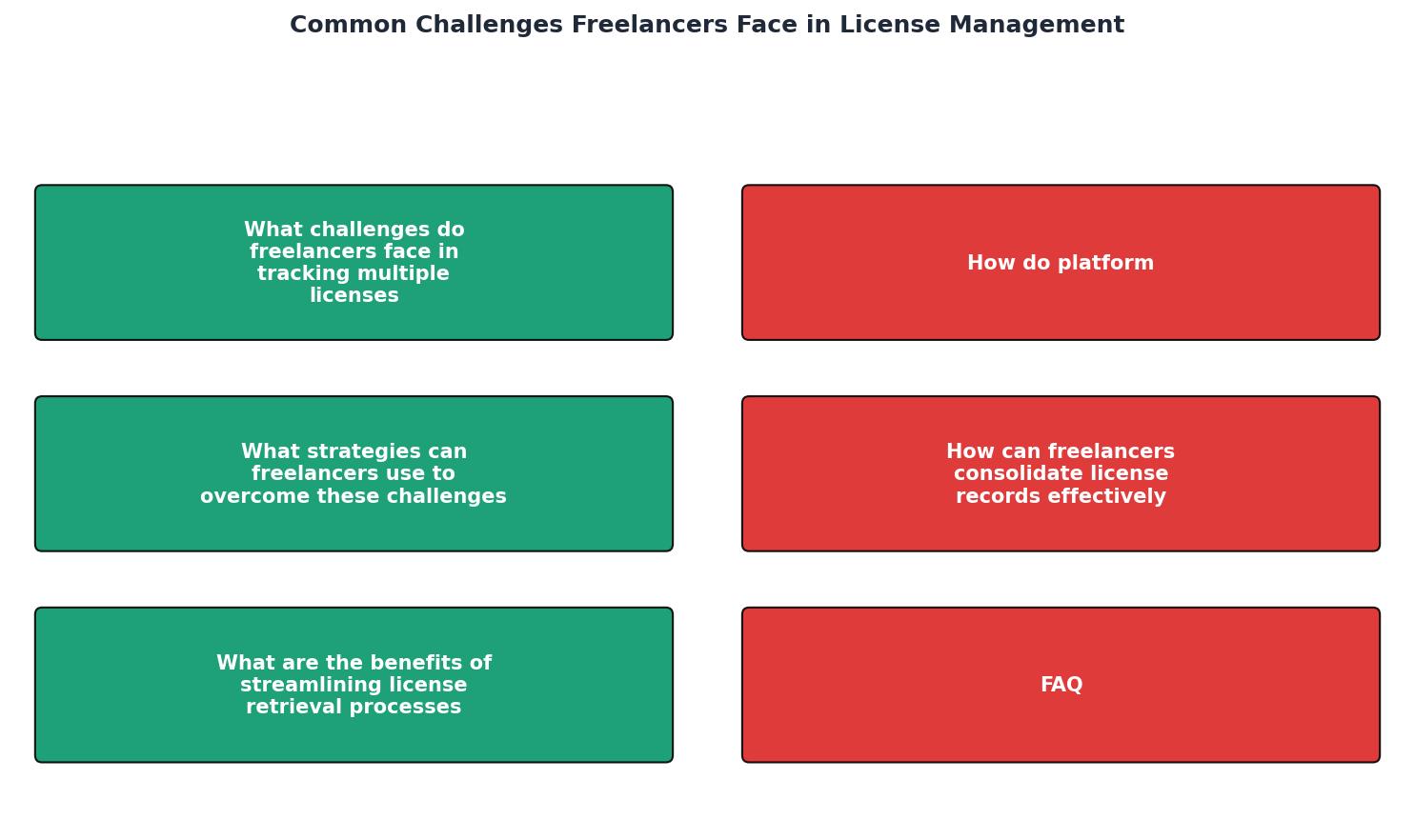
What challenges do freelancers face in tracking multiple licenses?

Freelancers often juggle multiple projects concurrently, each requiring different assets from platforms like Freepik, Shutterstock, and Adobe Stock. This diversity of sources makes it hard to keep track of which licenses apply to which assets. The complexity increases with each additional platform, as each has its own unique licensing agreements, terms, and renewal periods.
Key Challenges:
- Organization: Without a systematic approach, licenses can easily get lost in the shuffle. Each platform may store licenses differently, and accessing them can be time-consuming. Freelancers often work with tight deadlines, and the inability to quickly locate a necessary license can disrupt workflow and cause delays.
- Retrieval: When a client requests proof of a license, finding the right document can be like searching for a needle in a haystack. This is especially true if licenses are stored haphazardly across various folders and email accounts. In high-pressure situations, such as a legal inquiry, the inability to promptly provide proof of licensing can escalate problems.
- Version Control: Projects often undergo revisions, and corresponding licenses may change as freelancers switch assets or upgrade licenses. Keeping track of these changes is crucial to ensure that the most recent and correct license is always available.
How do platform-specific terms complicate license management?

Every stock media platform comes with its own set of licensing terms. While some offer broad usage rights, others impose strict limitations on how and where media can be used. This variance requires freelancers to be vigilant and knowledgeable about each platform's specific conditions to avoid unintentional breaches.
Complications Include:
- Varied Terms: Understanding the differences between a standard license and an extended license, for example, can be crucial. A standard license might cover basic uses, such as personal projects or limited commercial use, while an extended license could allow for broader applications, like mass production or resale. Misunderstanding these terms can lead to unauthorized use, potentially resulting in financial penalties or legal action.
- Legal Jargon: The legal language used in license agreements can be complex and difficult to interpret without legal expertise. Terms like "royalty-free," "rights-managed," and "exclusive rights" can be particularly confusing. Freelancers must decipher these terms to fully understand their rights and responsibilities.
- Geographical Restrictions: Some licenses may have geographical limitations, restricting usage to certain regions. This is especially important for freelancers working with international clients, as different rules may apply based on the location of the client or end-user.
- Expiry and Renewals: Many licenses have expiration dates, requiring renewal for continued use. It is vital for freelancers to monitor these dates to avoid using expired licenses inadvertently.
What strategies can freelancers use to overcome these challenges?

Freelancers can employ several strategies to manage licenses more effectively, reducing the risk of legal issues and improving workflow efficiency. By adopting a proactive approach, freelancers can mitigate the complexities involved in license management.
Strategies for Overcoming Common License Management Challenges:
- Digital Tools: Utilize software like Licence Downloader to bulk-find and download licenses, ensuring you have proof ready when needed. These tools can automate the retrieval process, saving time and reducing errors. Other software options include project management tools with license tracking features that integrate with cloud storage solutions.
- Consistent Workflows: Develop a standardized process for acquiring, storing, and retrieving licenses. This could involve creating templates for license documentation, establishing naming conventions for files, and scheduling regular times for license audits. Consistent workflows help ensure that no detail is overlooked and that all team members are aware of the procedures.
- Regular Audits: Periodically review your license library to ensure compliance and organization. Audits can help identify expired licenses, misfiled documents, or assets that lack proper licensing. Regular checks reinforce compliance and provide peace of mind.
- Education and Training: Stay updated on licensing terms and industry standards through continuous learning. Attending workshops, webinars, or online courses can enhance your understanding of licensing complexities. This knowledge is invaluable in negotiating contracts and ensuring compliance.
- Legal Consultation: Consider consulting a legal professional for complex licensing issues or when working with high-risk projects. A legal expert can provide clarity on contractual obligations and help navigate tricky situations.
How can freelancers consolidate license records effectively?
Consolidating license records involves creating a centralized system where all licenses are stored and easily accessible. This centralization simplifies retrieval and reduces the likelihood of misplacing important documents.
Methods Include:
- Cloud Storage: Use platforms like Google Drive or Dropbox to store licenses in a well-organized folder structure. Cloud storage offers the advantage of accessibility from any location, ensuring that licenses are available whenever needed. It also allows for easy sharing with clients or team members.
- Spreadsheets: Maintain a spreadsheet with details of each license, including platform, type, and expiry date. This spreadsheet should be regularly updated and include fields for notes, such as specific usage rights or restrictions. Spreadsheets provide a quick overview and can be linked to corresponding digital files for easy access.
- License Management Software: Consider investing in specialized software designed to track and manage licenses. These tools often include features like automatic alerts for renewals, integration with project management systems, and reporting capabilities.
- Backup Systems: Implement a backup system to protect against data loss. Regularly backing up your license records ensures that you have a secure copy in case of technical failures or accidental deletions.
Key takeaway: Efficient license management is crucial for freelancers to avoid legal issues and maintain a professional reputation.
What are the benefits of streamlining license retrieval processes?
Streamlining the process of retrieving licenses can have significant benefits, both in terms of time saved and legal compliance. An efficient retrieval process allows freelancers to focus more on creative work and less on administrative tasks.
- Time-Saving: Quick access to licenses allows freelancers to respond to client requests promptly. This responsiveness can enhance client relations and increase the likelihood of repeat business. It also reduces downtime, allowing projects to proceed without unnecessary interruptions.
- Legal Compliance: Having a well-organized license library helps ensure that all media used is properly licensed, reducing the risk of copyright claims. Compliance is critical in maintaining a professional image and avoiding costly legal disputes. By ensuring all licenses are up-to-date and valid, freelancers can confidently use their assets without fear of infringement.
- Enhanced Professionalism: A streamlined process reflects positively on a freelancer's professionalism. Clients are more likely to trust and recommend freelancers who demonstrate meticulous attention to detail in their licensing practices.
- Reduced Stress: Knowing that all licenses are organized and accessible reduces the stress associated with potential legal issues. This peace of mind allows freelancers to concentrate on delivering quality work.
Workflow Template for Managing Stock Media Licenses
Your progress is saved automatically in your browser.
FAQ
Frequently Asked Questions
Are you finding license management a challenge in your freelance work? Share your experiences and tips in the comments below!
Additional Resources
- Common Challenges Freelancers Face in the UAE and ... - 1. Navigating Licensing and Legal Requirements · 2. Access to Banking and Payment Solutions · 3. Inconsistent Income and Cash Flow · 4. Limited ...
- Freelance challenges: Major problems & how to deal with ... - 2. Fluctuating income ... The second biggest challenge that most freelancers (39% in 2025) face is the inconsistency of the income they receive.
- 5 common challenges for freelancers - 5 common challenges for freelancers · Finding clients · Increasing pay rates · Maintaining productivity · Meeting unrealistic demands · Getting paid on time · Working ...