

Imagine receiving an unexpected email from Copytrack, claiming you have used a stock image without the necessary license. Panic sets in as you wonder about the potential legal ramifications. Understanding how to navigate this situation is crucial for freelancers and small business owners alike. This article provides a comprehensive guide on what steps to take, common misconceptions, and tools that can help you protect yourself from copyright claims.
Photo by Brett Jordan from Pexels
TL;DR: If Copytrack contacts you about a stock image, don't panic. Verify the claim, gather your documentation, and communicate clearly. Use tools like Licence Downloader to keep your licensing records in order.
Understanding how to address a copyright claim from Copytrack is crucial. With digital media usage on the rise, the likelihood of encountering such claims has increased. This article walks you through the necessary steps to ensure you're prepared and protected.
Why This Topic Matters Now
Digital content is everywhere, and stock images are a staple for designers and marketers. However, the rise of digital media also means an increase in copyright claims. Copytrack, a service that helps photographers and media companies track unauthorized usage of their images, might contact you if they believe you have used an image without permission.
The proliferation of content on the internet means that images are shared, reposted, and reused more than ever. This can make it difficult to track the original source and licensing of an image. For professionals who rely on stock images for blogs, advertisements, or social media, this complexity underscores the importance of maintaining clear and accurate records of image licenses.

Common Mistakes and Misconceptions
One of the most common misconceptions is that purchasing a stock image automatically grants you all rights. In reality, most stock images are licensed for specific uses, and those licenses can vary significantly. Misunderstanding the terms of use can lead to inadvertent copyright violations.
For instance, a license may allow the use of an image on a personal blog but prohibit commercial use. Additionally, some licenses are limited by geographic location or the number of times an image can be reproduced. Failing to read and understand these terms can result in violations that lead to legal claims.
Another mistake is neglecting to keep records of your purchases and licenses. This oversight can make it difficult to defend against claims from services like Copytrack. A lack of documentation can leave you vulnerable to legal challenges, even if your use of an image was legitimate. Digital clutter or poor organizational practices can exacerbate this issue, making it hard to retrieve necessary documentation when needed.
Step-by-Step Approach
When contacted by Copytrack, follow these steps to ensure a smooth resolution:
- Verify the Claim: Ensure the claim is legitimate. Look for official communication from Copytrack and verify the image in question. Check the email address and contact information to confirm it matches Copytrack’s official channels. Scammers may pose as legitimate companies to obtain payments for bogus claims.
- Gather Documentation: Locate the license agreement and proof of purchase for the image. This documentation is crucial in defending your case. If you have purchased images from multiple platforms, ensure you consolidate records from each source. If you cannot find the documentation, check your emails, account purchase history, or contact the stock image provider for assistance.
- Communicate Clearly: Respond to Copytrack with the necessary information. Be clear and concise in your communication. Provide copies of your license and purchase confirmation. If you believe the claim is unfounded, explain your reasoning and provide any supporting evidence.
- Consult a Professional: If you're uncertain about the claim or need legal advice, consider consulting an intellectual property attorney. They can help assess the validity of the claim and draft an appropriate response. An attorney can also advise on your rights and obligations under copyright law, potentially saving you from making costly mistakes.
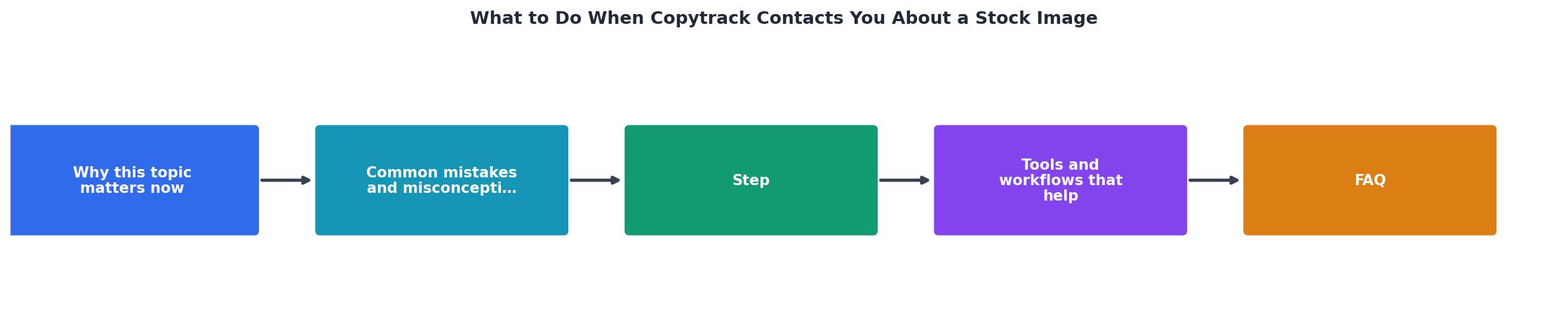
Tools and Workflows That Help
To manage your stock image licenses more effectively, consider using tools like Licence Downloader. This tool allows you to bulk-download license certificates from platforms such as Freepik, Shutterstock, and Adobe Stock, ensuring you have audit-ready proof of all your licenses.
These tools often come with additional features such as license expiration reminders, duplicate license detection, and integration with cloud storage services. By automating the management of your licenses, you reduce the risk of human error and ensure that your records are always up to date.

FAQ
Frequently Asked Questions
Copytrack Response Checklist
Practical Artifact
To help you stay organized, here's a checklist for managing your stock image licenses:
Stock Image License Management Checklist
Your progress is saved automatically in your browser.

Additional Resources
- Examining A Copyright Claim From Copytrack - Copytrack contacts those who've used an image, seeking proof of license or settlement; the service takes a commission on recovered fees.
- How to Respond When You Receive Email from Copytrack - Received a legal threat from Copytrack? Here's how one creator responded and what to know about copyright claims and next steps.
- FAQ | COPYTRACK Legal Enforcement Services - If you acquired the image from a stock agency, provide proof of your license with a screenshot of your subscription plan and download receipt.