Is pixsy legit: Practical Guide
- Pixsy is a legitimate rights-enforcement platform that scans the web for unlicensed image use and sends settlement demand letters on behalf of image owners.

If you've used stock images on your website, social media, or in client work without tracking your licenses, there's a chance you could receive a copyright infringement notice from Pixsy or similar rights-enforcement platforms. These letters are real, they're legally backed, and they're designed to scare you into settling. But here's the truth: understanding Pixsy's legitimacy and how it operates gives you the information you need to protect yourself, or respond correctly if a claim lands in your inbox.
Photo by Atlantic Ambience from Pexels
TL;DR
- Pixsy is a legitimate rights-enforcement platform that scans the web for unlicensed image use and sends settlement demand letters on behalf of image owners.
- Not every Pixsy claim is valid; many are sent to people who properly licensed images or have legal defenses.
- The best protection is tracking your stock-image licenses and keeping proof organized and accessible.
- If you receive a Pixsy letter, respond carefully, don't ignore it, but don't panic into paying without reviewing your actual license status.
Pixsy operates as a legitimate intermediary between photographers and content creators who use images without permission. The company scans billions of images on websites, social media, and digital platforms, looking for matches to photos in their database. When a match is found, Pixsy contacts the site owner or operator with a settlement demand. The letters are real. The legal backing is real. But so are false positives, expired claims, and situations where you actually do have a valid license.
The key distinction: Pixsy is legit, but not every claim from Pixsy is justified.
Why Pixsy Claims Happen

Pixsy works on a contingency model. Photographers or rights holders sign up and give Pixsy permission to enforce their copyrights. Pixsy then scans the web, finds unauthorized uses, and sends demand letters. If the user settles, Pixsy takes a cut, typically 40-50% of the settlement, with the photographer getting the remainder.
This model means Pixsy has financial incentive to send as many letters as possible. Some are warranted. Some aren't. Common scenarios where you'll receive a Pixsy notice:
You used a free image without proper attribution. Many free-image sites require credit even for non-commercial use. If you grabbed a photo from a free site years ago and now use it commercially without attribution, Pixsy may have a claim.
You used an image beyond your license scope. You bought a single-use license on Shutterstock but used the image in multiple client projects, or on print and web both when only one was licensed.
You downloaded an image from a free site that didn't have rights to it. Some free-image platforms scrape photos without permission and re-host them. If you download from one of those, you inherited the infringement problem.
You forgot to renew or properly license an image. If your Freepik subscription expired and you left an image live on your site, Pixsy will eventually catch it.
Someone else on your team used the image. If you run an agency or team, an employee or contractor may have grabbed an image incorrectly, and the claim lands on your business domain.
Common Mistakes That Invite Claims
The biggest mistake creators make is treating stock-image licensing as a one-time act. You buy the image, you use it, and you assume it's covered forever. That's not how licensing works. Licenses have scope: single-use vs. unlimited, web vs. print, time limits, and territory restrictions. Lose track of these, and you're exposed.
Another frequent error is mixing free and paid images without understanding the difference. Free images often come with strings: attribution requirements, non-commercial-only restrictions, or terms that prohibit resale or use in templates. One misplaced free image on a commercial project can trigger a claim.
A third mistake is not keeping receipts. If you received a Pixsy letter and you can't immediately produce your license proof, you're negotiating from a weak position. Pixsy banks on the fact that most people don't organize their license documentation.
Finally, many creators ignore the first letter. Ignoring a Pixsy demand doesn't make it go away, it signals that you're not going to respond, which increases the likelihood of escalation or legal action.
Step-by-Step Response Strategy

If you receive a Pixsy notice, follow this process:
Step 1: Don't panic, and don't delete the image immediately. Your first instinct might be to take down the image and hope the problem goes away. Instead, leave it up temporarily and gather information.
Step 2: Identify the specific image and claim. The Pixsy letter will reference a URL and describe the image. Go to that page and confirm the image is still there. Take screenshots.
Step 3: Search your records for the license. Check your email for purchase confirmations from Freepik, Shutterstock, Adobe Stock, Canva, Envato, or wherever you obtained the image. Look for invoices, license certificates, or account statements showing you paid for a license. If you downloaded from a free site, find that confirmation email too.
Step 4: Check the license terms. Once you find the purchase or download, review the exact license granted. Does it cover the use case you applied the image to? Is it still valid? Have you used it beyond the scope?
Step 5: Respond to Pixsy with your evidence. If you have a valid license, respond to the letter with copies of your proof. Reference the specific terms that apply to your use. Keep your response factual and brief, don't over-explain.
Step 6: If you don't have a license, assess your options. If you truly used an image without proper authorization, you have three paths: (a) accept the settlement offer, (b) negotiate a lower amount, or (c) consult a lawyer to evaluate your legal defenses (fair use, public domain, license ambiguity, etc.). Don't ignore the letter.
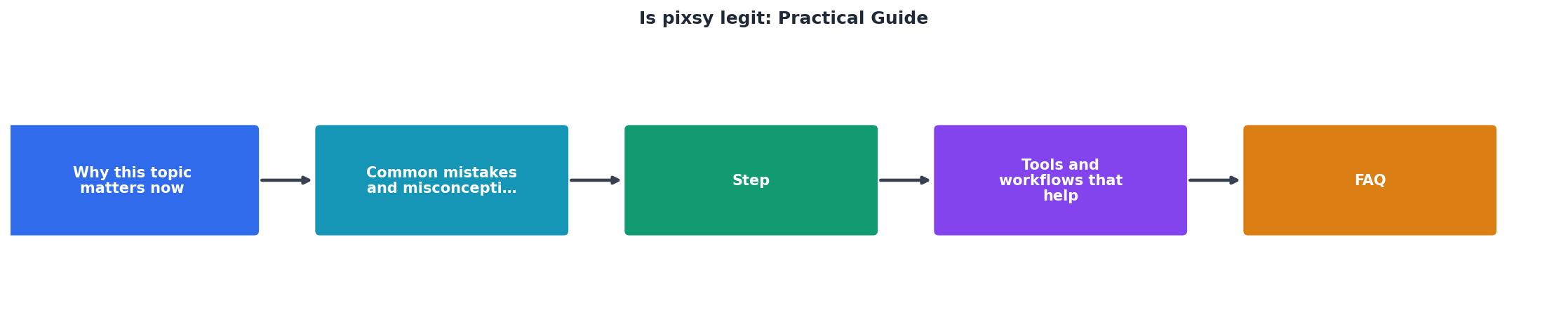
Here's a visual breakdown of the decision tree:
Building a License Archive Now
The best defense against Pixsy claims is prevention through organization. Start now, even if you haven't received a letter yet.
Create a central repository for all stock-image licenses. This can be a simple spreadsheet, a folder in Google Drive, or a dedicated tool. For each image, record:
- Image URL or identifier
- Source platform (Freepik, Shutterstock, etc.)
- License type (single-use, unlimited, extended, free, etc.)
- Date purchased or downloaded
- License expiration (if any)
- Permitted uses (web, print, commercial, non-commercial, etc.)
- Sites or projects where the image is currently in use
For new images going forward, create a receipt immediately after purchase and add it to your archive. Make this part of your project workflow, the same way you track fonts or brand assets.
When to Seek Legal Counsel
Not every Pixsy claim warrants hiring a lawyer, but some situations demand it. Consult an attorney if:
- The settlement demand is unusually high (over $500-1000, depending on your jurisdiction and income)
- You believe the claim is fraudulent or the image ownership is disputed
- The image was provided to you by a client or vendor who claimed to have licensed it
- You're receiving multiple claims and sense a pattern of targeting
- You're unsure whether your use qualifies as fair use or falls under a specific legal exemption
Preventing Future Claims
Your progress is saved automatically in your browser.
Real prevention comes down to discipline: buy from legitimate sources, read the terms, document what you buy, and stay within scope. If you run a team, set a process so everyone knows the rules. If you work with contractors or freelancers, make license compliance part of your brief.
"Many business owners in Australia have recently found themselves in this stressful and daunting situation.">, What to Do if You Receive a Pixsy Copyright Infringement Letter
The volume of Pixsy claims has grown precisely because many creators operate in the gray zone: they're not deliberately infringing, but they're not carefully tracking licenses either. The solution is to move out of that gray zone by treating image licensing with the same rigor you'd give to client contracts or financial records.
Tools and Workflows That Help

If you manage dozens or hundreds of stock images across multiple platforms, a spreadsheet quickly becomes unwieldy. Consider using a lightweight asset-management system that lets you tag, search, and filter images by license type, platform, and expiration date.
For agencies and teams, Airtable or Notion can serve as a shared license database. Set up forms so team members log images as they're used, and build automations to flag licenses approaching expiration.
For personal use, even a well-organized Google Sheet with filters by platform, license type, and expiration date is better than scattered email confirmations. The point is centralization and searchability.
Tools like Licence Downloader exist specifically to bulk-download and organize stock-image license certificates from platforms like Freepik, Shutterstock, and Adobe Stock. If you have hundreds of assets across multiple subscriptions, automating the bulk download of proof saves enormous time during an audit or claim response.
FAQ
Frequently Asked Questions
The bottom line: Pixsy is legitimate, and the claims are backed by real copyright law. But legitimacy doesn't mean every claim against you is justified. Your best defense is to know exactly what you've licensed, keep that proof organized, and respond promptly and thoughtfully if a claim arrives. Start organizing your image licenses today, and you'll sleep better knowing you have the documentation to back up your use, or to respond appropriately if something goes wrong.
Additional Resources
- What to Do if You Receive a Pixsy Copyright Infringement ... - Yes, Pixsy is a legitimate company. They have established a reputation in the industry for effectively helping content creators protect their ...
- Pixsy Copyright Threats Lawsuit Investigation - Pixsy is a scam of sorts. They use legal-speak to intimidate people and extort money from them. Pixsy appears to be a real company, the platform has led to 70, ...
- Pixsy Demand Letter? Here's What to Do (2026 Guide) - The Verdict. Pixsy is a legitimate legal-tech enforcement platform with real photographer clients and major platform partnerships. However, their automated ...
Need to Download Your Licences?
Save hours of manual work. We download all your stock photo licence certificates for you.
Get Started“Thanks to LicenceDownloader.com, I was able to download more than 1,000 Freepik licences and receive them all at once via ZIP.”
Marlon Mainardy